The Print Bar
The Print Bar
The Print Bar
The Print Bar
The most important part of a
product is rarely the final print.
The most important part of a
product is rarely the final print.
The most important part of a
product is rarely the final print.
The most important part of a
product is rarely the final print.
The Print Bar was established to solve a challenge that had become increasingly familiar within the studio's workflow. As packaging and branding projects grew in complexity, the journey from concept to production became equally demanding. Printing, cutting, creasing, lamination, foiling, and finishing were often distributed across multiple external vendors, turning even straightforward projects into lengthy production cycles. A packaging prototype that required only a few hours of work could take close to a week to complete once external coordination, transportation, and revisions were taken into account.
The Print Bar was established to solve a challenge that had become increasingly familiar within the studio's workflow. As packaging and branding projects grew in complexity, the journey from concept to production became equally demanding. Printing, cutting, creasing, lamination, foiling, and finishing were often distributed across multiple external vendors, turning even straightforward projects into lengthy production cycles. A packaging prototype that required only a few hours of work could take close to a week to complete once external coordination, transportation, and revisions were taken into account.
The Print Bar was established to solve a challenge that had become increasingly familiar within the studio's workflow. As packaging and branding projects grew in complexity, the journey from concept to production became equally demanding. Printing, cutting, creasing, lamination, foiling, and finishing were often distributed across multiple external vendors, turning even straightforward projects into lengthy production cycles. A packaging prototype that required only a few hours of work could take close to a week to complete once external coordination, transportation, and revisions were taken into account.


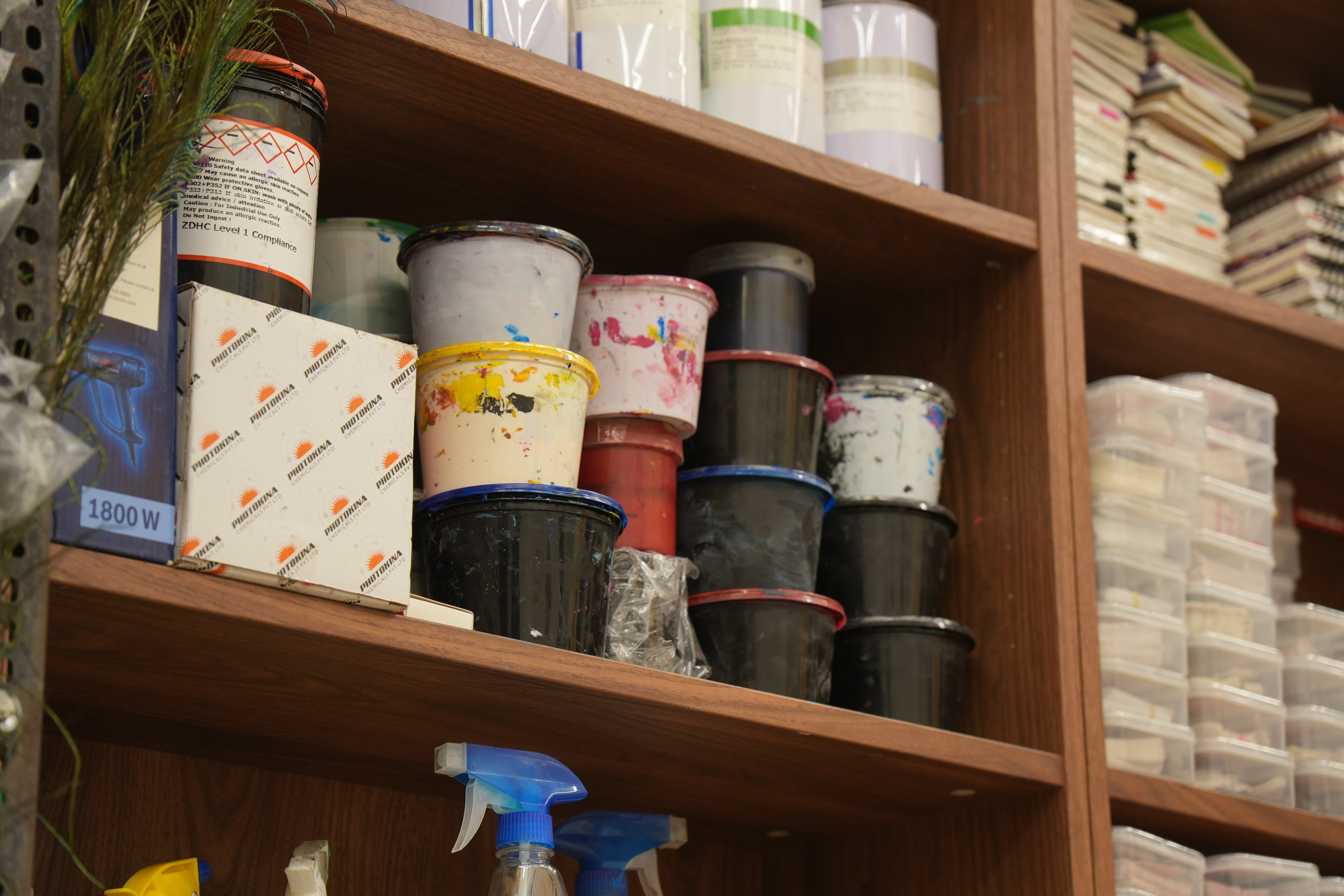

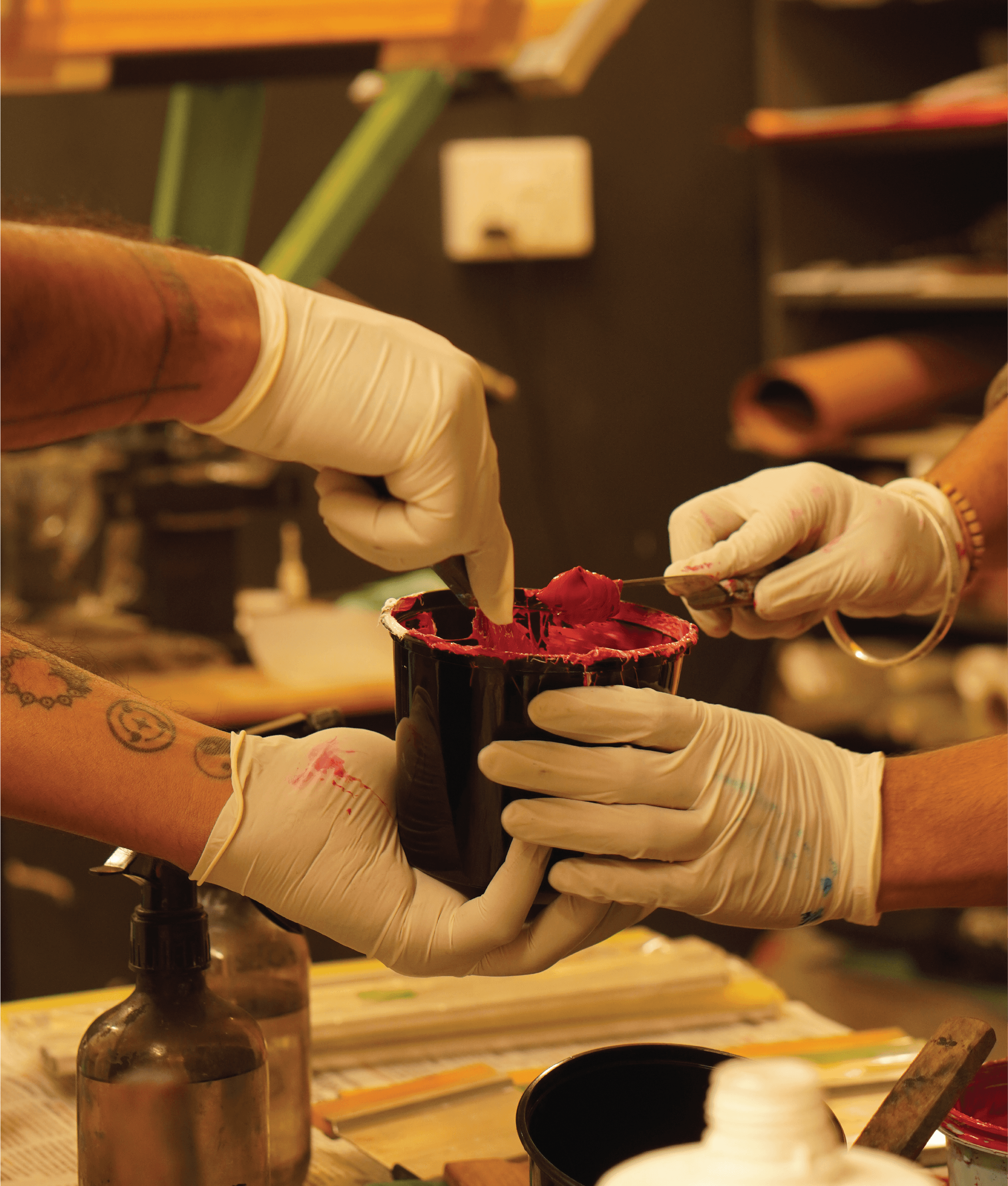
For a studio that valued experimentation and refinement, this presented a significant limitation. Material testing became expensive, structural iterations became slow, and even minor adjustments required additional rounds of production. The process often interrupted creative momentum, making it difficult to explore ideas as freely as the design process demanded.
Rather than continuing to work around these constraints, Studio 10.11 decided to rethink the link between design and production. The objective was to create a space where concepts could move seamlessly from digital files to physical objects, allowing testing, refinement, and manufacturing to happen within a single environment. This vision ultimately led to the creation of The Print Bar
The first step was establishing a reliable in-house printing workflow. The introduction of the Xerox PrimeLink C9200 transformed the way projects were developed. Packaging concepts, labels, inserts, marketing collateral, and production samples could now be printed immediately, allowing designs to be evaluated at full scale from the earliest stages of development. Colour relationships, typography, hierarchy, and material interactions could be assessed directly through physical prototypes rather than relying solely on digital previews.
For a studio that valued experimentation and refinement, this presented a significant limitation. Material testing became expensive, structural iterations became slow, and even minor adjustments required additional rounds of production. The process often interrupted creative momentum, making it difficult to explore ideas as freely as the design process demanded.
Rather than continuing to work around these constraints, Studio 10.11 decided to rethink the link between design and production. The objective was to create a space where concepts could move seamlessly from digital files to physical objects, allowing testing, refinement, and manufacturing to happen within a single environment. This vision ultimately led to the creation of The Print Bar
The first step was establishing a reliable in-house printing workflow. The introduction of the Xerox PrimeLink C9200 transformed the way projects were developed. Packaging concepts, labels, inserts, marketing collateral, and production samples could now be printed immediately, allowing designs to be evaluated at full scale from the earliest stages of development. Colour relationships, typography, hierarchy, and material interactions could be assessed directly through physical prototypes rather than relying solely on digital previews.
For a studio that valued experimentation and refinement, this presented a significant limitation. Material testing became expensive, structural iterations became slow, and even minor adjustments required additional rounds of production. The process often interrupted creative momentum, making it difficult to explore ideas as freely as the design process demanded.
Rather than continuing to work around these constraints, Studio 10.11 decided to rethink the link between design and production. The objective was to create a space where concepts could move seamlessly from digital files to physical objects, allowing testing, refinement, and manufacturing to happen within a single environment. This vision ultimately led to the creation of The Print Bar
The first step was establishing a reliable in-house printing workflow. The introduction of the Xerox PrimeLink C9200 transformed the way projects were developed. Packaging concepts, labels, inserts, marketing collateral, and production samples could now be printed immediately, allowing designs to be evaluated at full scale from the earliest stages of development. Colour relationships, typography, hierarchy, and material interactions could be assessed directly through physical prototypes rather than relying solely on digital previews.

Built for touch
Built for touch
Built for touch
Built for touch
Paper, pressure, pigment
Paper, pressure, pigment
As the studio's packaging capabilities expanded, structural development became equally important. Packaging is not only a visual object but a physical one, requiring careful consideration of folds, locking mechanisms, proportions, and user interaction. To support this process, the UC 400 cutting and creasing system was integrated into the workflow. Dielines could now be produced, assembled, tested, and refined in-house, creating a far more responsive approach to packaging development. Structural challenges that would previously have required days of waiting could now be identified and resolved within the same day.
As the studio's packaging capabilities expanded, structural development became equally important. Packaging is not only a visual object but a physical one, requiring careful consideration of folds, locking mechanisms, proportions, and user interaction. To support this process, the UC 400 cutting and creasing system was integrated into the workflow. Dielines could now be produced, assembled, tested, and refined in-house, creating a far more responsive approach to packaging development. Structural challenges that would previously have required days of waiting could now be identified and resolved within the same day.
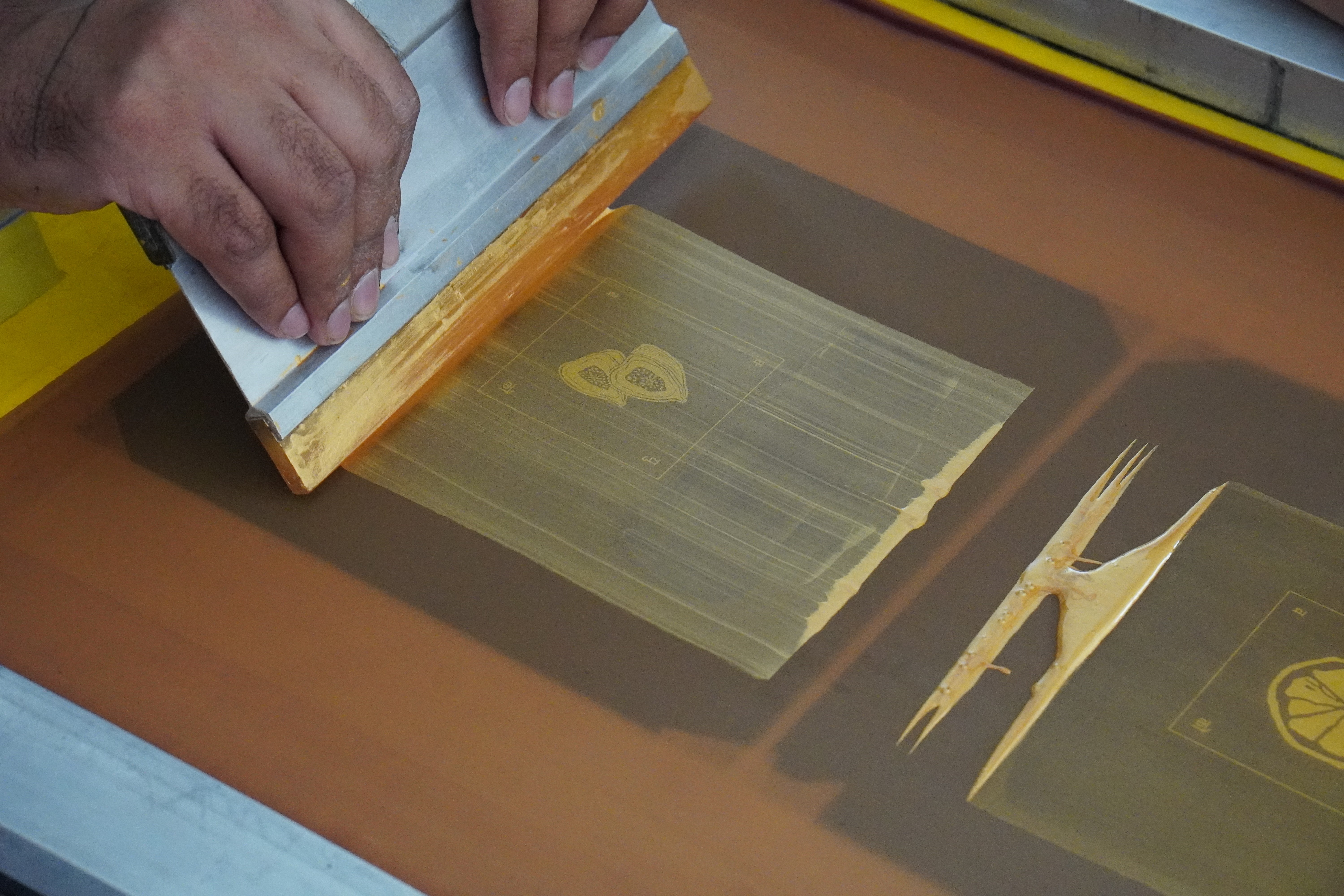


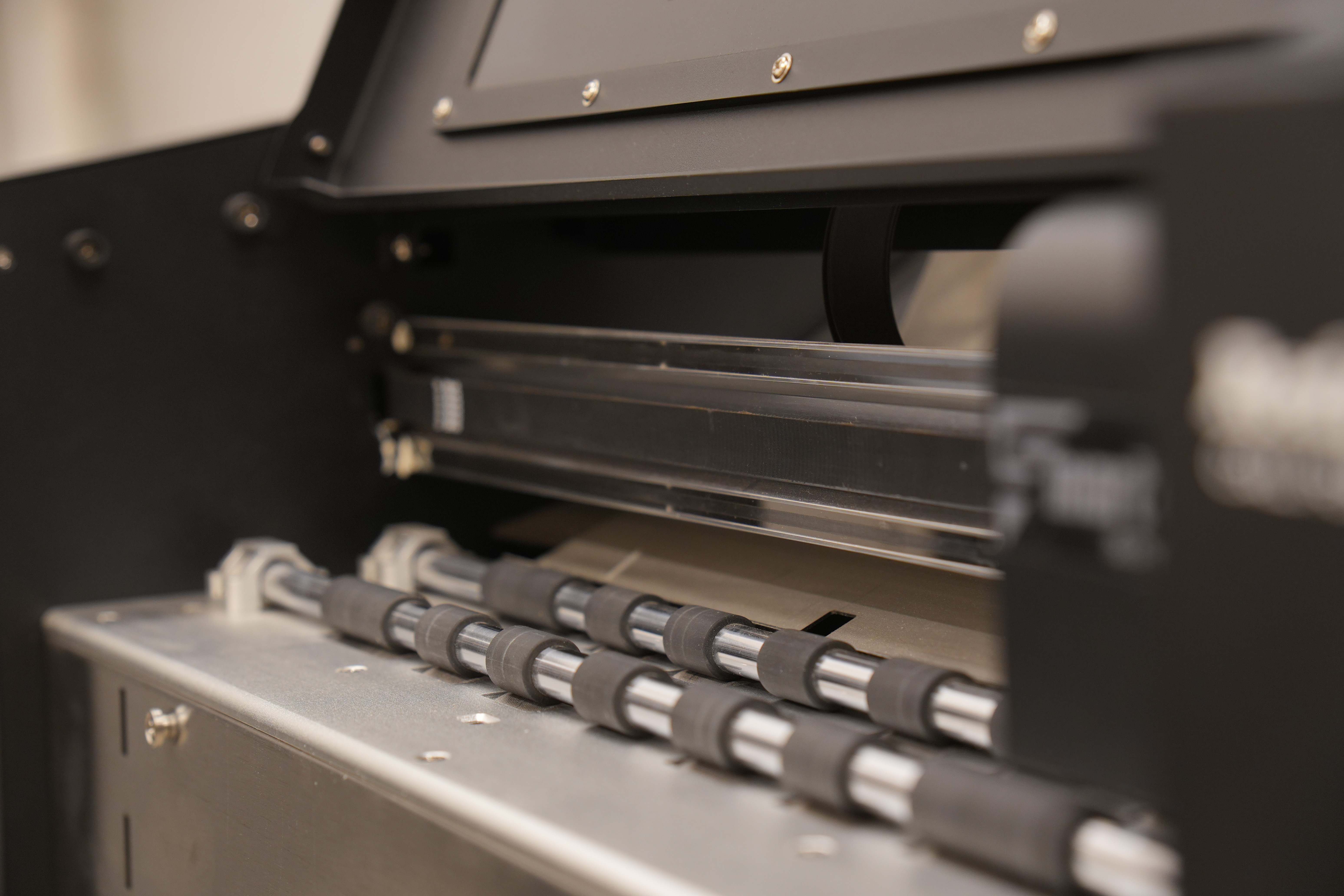


From run to release
From run to release
From run to release
From run to release
Systems for repeatable craft
Systems for repeatable craft
The impact of The Print Bar can be seen across numerous in-house projects, including Malen Coffee, Aurenza, Cube & Co., and a growing collection of packaging and branding work developed by Studio 10.11. These projects have benefited from a workflow that allows design, prototyping, structural testing, printing, and refinement to happen in close succession, creating stronger connections between ideas and their final execution.
The impact of The Print Bar can be seen across numerous in-house projects, including Malen Coffee, Aurenza, Cube & Co., and a growing collection of packaging and branding work developed by Studio 10.11. These projects have benefited from a workflow that allows design, prototyping, structural testing, printing, and refinement to happen in close succession, creating stronger connections between ideas and their final execution.